
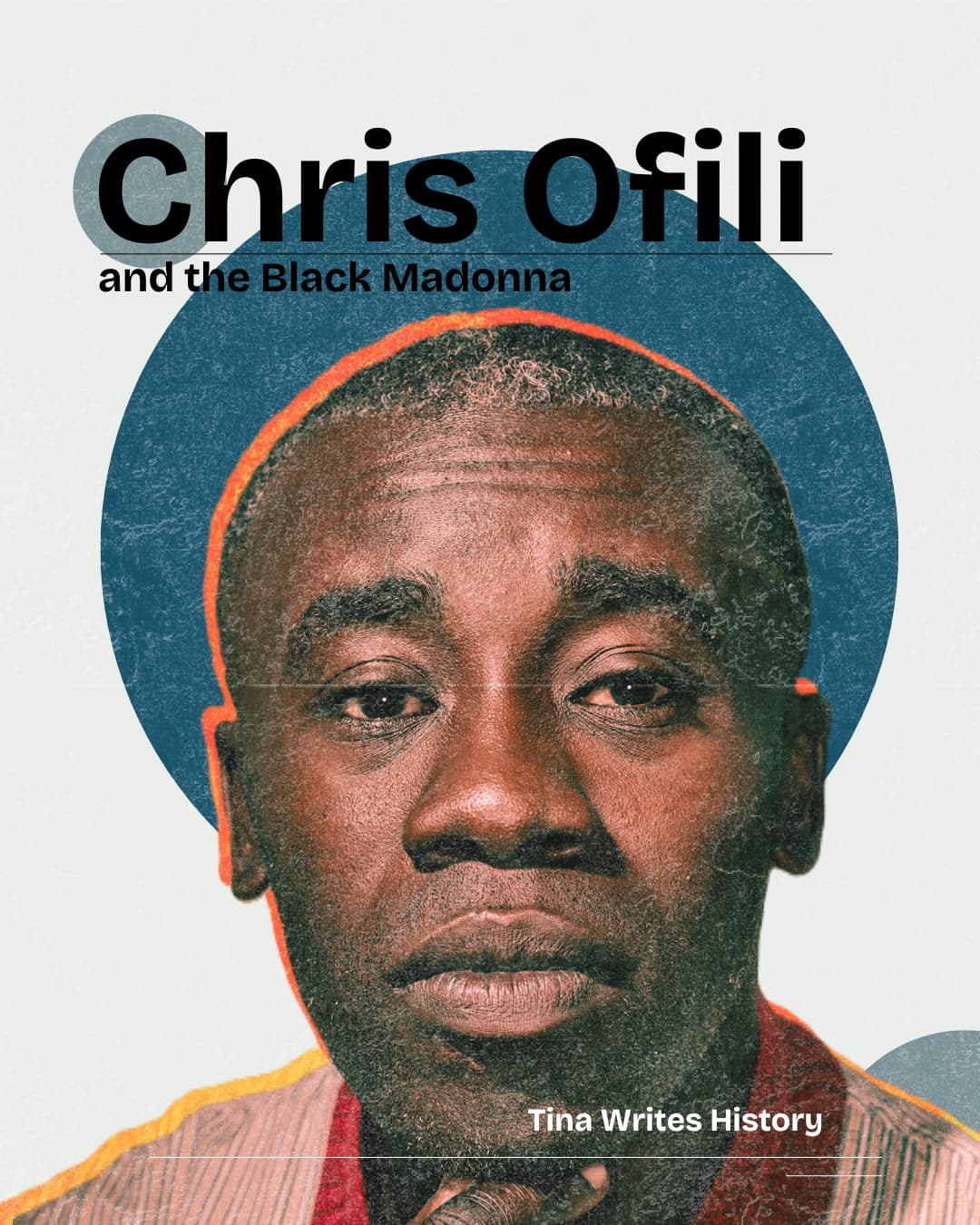
Every morning you go for a run. As you breathe in the crisp air and take in your surroundings, you notice your new neighbour jogging towards you. You haven’t had a chance to introduce yourself, but today is special. Today, you are finally going to say something.
As he gets closer, you exclaim, “Wow, you’re so fast!”
That’s not what he hears. Whether it’s the music pumping through his headphones or the thick saliva weighing down your lips, the “s” in “fast” gets left behind. He spits out an insult, which leaves you confused. It takes hours for you to realize the misunderstanding, and now your mind is blazing with self-doubt.
For most of us, being misunderstood invokes a visceral feeling. Our pulse accelerates, and our bodies stiffen as we prepare to choose between fight, flight or fainting. Being disliked by one person is tough enough. Imagine that hatred coming from an institution of very powerful people.
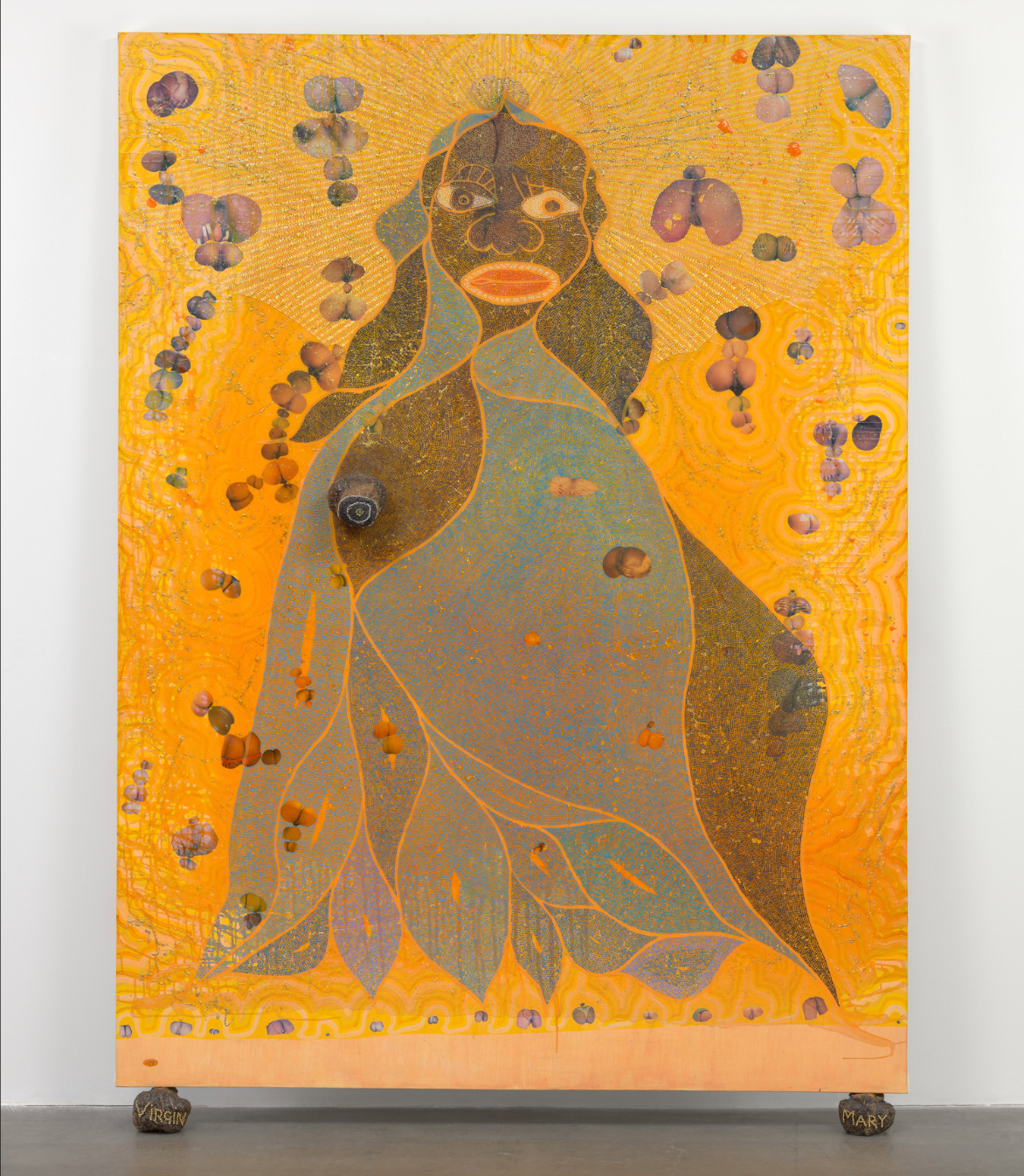
In 1999, when Chris Ofili displayed The Holy Virgin Mary, he had no intention for his art to receive such sharp backlash. Visitors vandalized the painting, politicians filed lawsuits, and the Catholic League condemned Ofili. He didn’t overexplain or get defensive. He let the hate train run its course. Once the dust settled, the controversy revamped his career.
Ofili’s intent vs. reception
Some artists do aim to irritate audiences. But for the most part, creators want to tell stories that reflect their lived experiences. When Mildred D. Taylor wrote Roll of Thunder, Hear My Cry, she vividly depicted the harsh racism in the Deep South, slurs and all. Her intention wasn’t to traumatize students, yet that was the exact argument used to challenge her books. Chris Ofili found himself in the same position.
When he created his version of Mary, he crafted a reflection of himself and his culture. Her skin was dark, her features were Afrocentric, and the elements used to create the piece were as diverse as his own life history. When the painting debuted at the Brooklyn Museum during the Sensation exhibition, it’s hard to say which part enraged Catholics more: the elephant dung or the black skin.
Holy Mary and merde!
Describing all the details in The Holy Virgin Mary is like falling down a rabbit hole. Each detail introduces a new angle, so it’s best to stick to the most contentious element. The inclusion of feces in a painting depicting one of the most respected religious figures caused mass outrage. Ofili placed elephant dung on the chest of the Madonna and propped up the piece with two clumps at the base. For many, this was blasphemous, and they couldn’t think of a single positive reason why feces should be featured in religious art. I can think of a few reasons.
Tracing back to Africa
Although Ofili is of Nigerian and English background, in 1992, he spent time in Zimbabwe studying cave paintings. Being exposed to this new culture introduced him to an interesting medium, elephant dung. In rural Zimbabwe, elephant dung is not waste. It is a blessing used to deliver healthy crops, keep disease away and protect one’s spirituality.
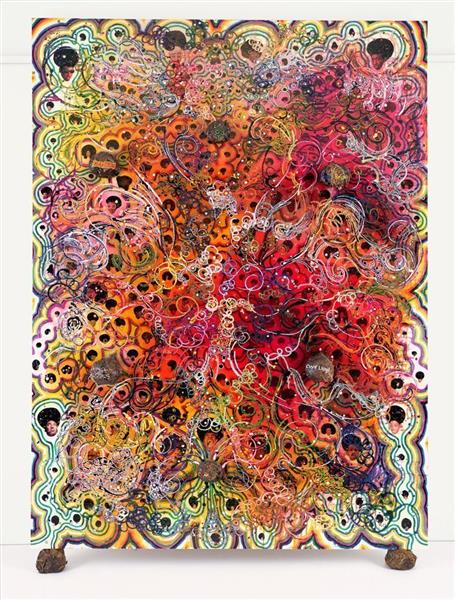
For Ofili, dung is sacred. He didn’t use this medium to enrage Catholics or to disrespect the iconography of Mary. In all fairness, he also incorporated dung into many of his other notable works, including No Woman No Cry (1998) and Afrodizzia (1996).
Mary, or me?
In other parts of Africa, hunters use fresh dung to track animals across vast plains. If the dung is fresh, they can trace exactly where it came from. If it is old, there’s no hint of its origins. Attaching stale dung to this piece is a comment on the ambiguity of the Madonna. It’s a way to highlight the intimate bond between religion and personal identity.
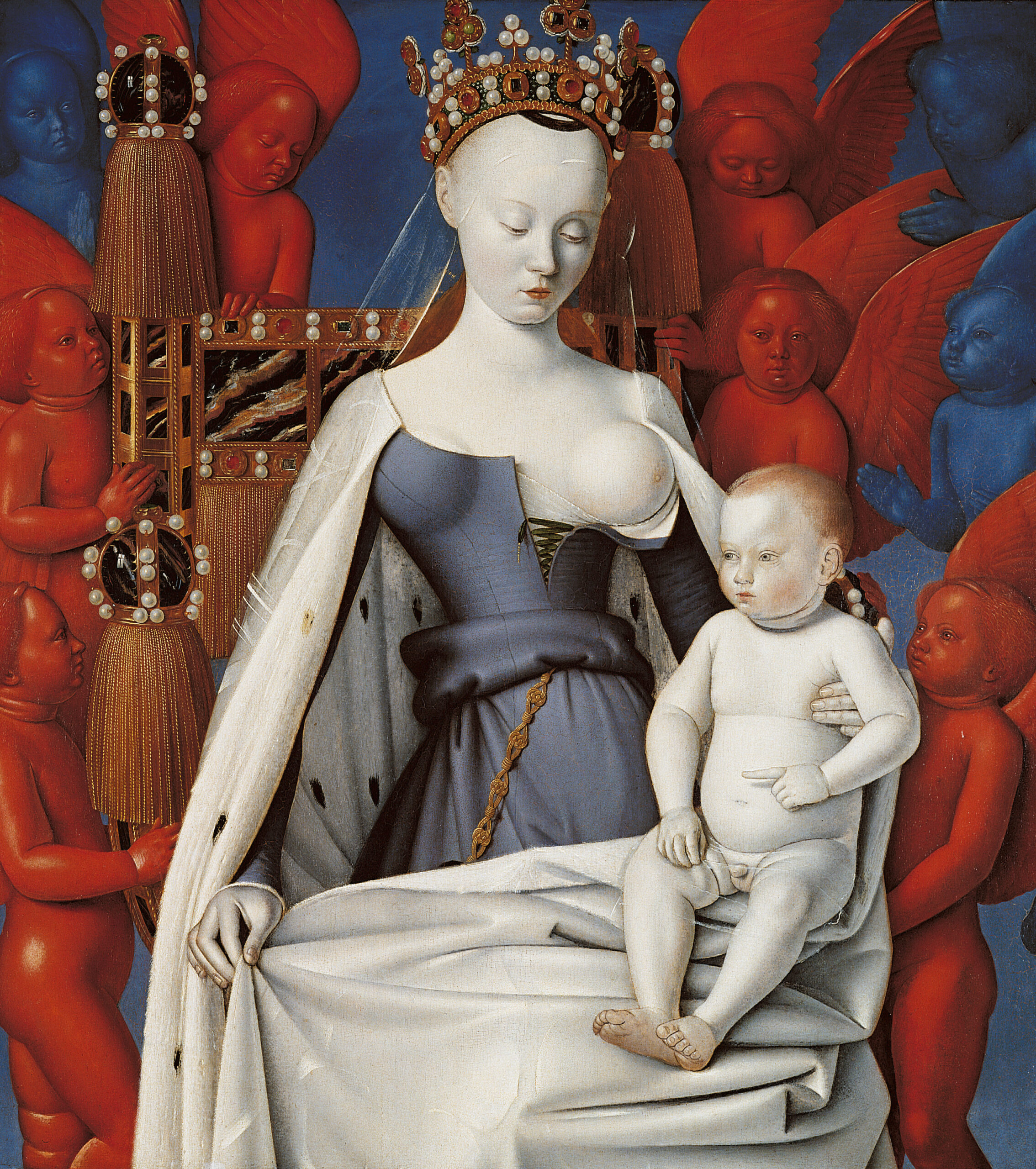
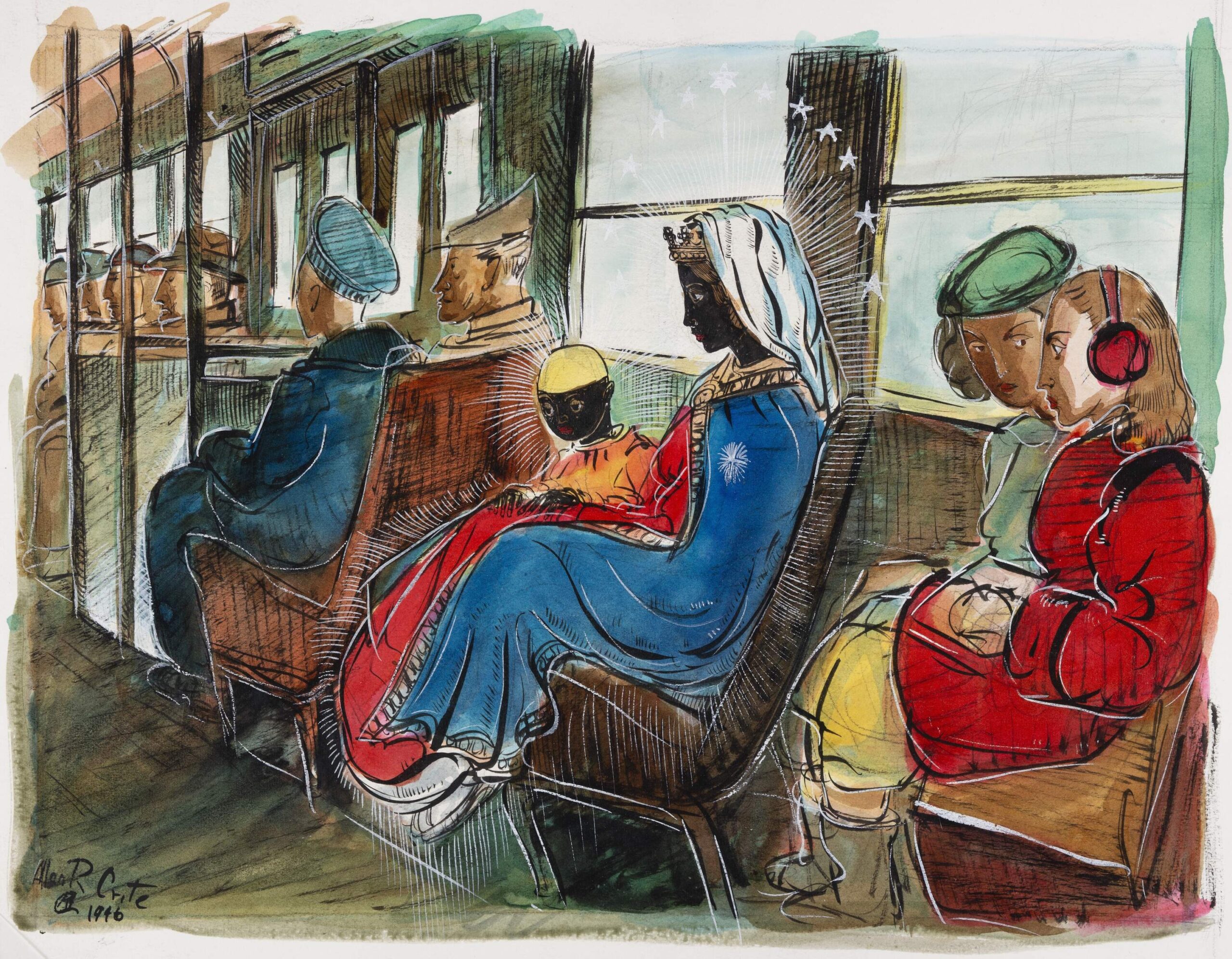
Madonna-like figures exist across cultures. Who gets to decide what she should look like? Is it Jean Fouquet? Allan Rohan Crite?
Apparently, the mayor of New York believed he should have the final say.
Rated “V” for vulgar
Politicians often send out conflicting messages. When Sensation was making its way to New York, bishops, mayors and community leaders voiced their displeasure. They claimed that the exhibition in general and Ofili’s piece in particular was too vulgar for the public. At the same time, they critiqued the museum’s decision to ban minors from attending.
Rudy Giuliani- yes, that Rudy Giuliani– was mayor at the time and doubled down on this hypocrisy. He threatened to pull funding from the Brooklyn Museum for adding an age restriction to the exhibition. When the museum ignored his tantrum, Giuliani filed several lawsuits, which were all dismissed. Regardless of his loss in court, Giuliani never stopped campaigning against Ofili’s piece.
He labelled the art “sick stuff,” claiming that it was “desecrating someone else’s religion.”
Chris Ofili grew up Catholic, but that didn’t matter. Giuliani and many religious leaders held on to their misunderstandings, despite never seeing the piece in person. They didn’t care that the artist belonged to their religion, and they didn’t ask for the meaning behind the unique medium.
While men like Giuliani aimed to destroy the institution that supported Ofili, the drama and exposure drew more eyes to his art.
Ofili’s masterclass in strategic silence
We all have a sweet tooth for suppressed works. Controversies often bring more attention to art, creating a “Streisand Effect,” a paradox where interest in a topic grows because of attempts to hide it. From banned books to cult classics, our curiosity compels us to support artists whose works were misunderstood in their time. In this sense, controversy can be a blessing, but it depends on the artist’s reaction.
If Ofili went head-to-head with the mayor of New York and battled with the Catholic League, that would have altered the optics. Given his race, the media would have seen him as an equal (if not greater) aggressor in the debate. Ignoring the conflict and only speaking when spoken to allowed him to adopt an aura of cool.
Record numbers visited the exhibition, including 72-year-old Dennis Heiner. At the first opportunity, Heiner darted behind the plexiglass and smeared the artwork with white paint from its face to its breasts. Ofili remained silent. Heiner’s vandalism only inflated the painting’s value by layering on more conflict. The piece was now alive.
The growing cultural significance of the artwork translated into vast monetary success. Private owners flocked to buy The Holy Virgin Mary, with the most recent sale racking up $4.5 million. In 2018, MoMA received The Holy Virgin Mary as a donation, and it is now a part of the museum’s permanent collection.
If there’s one thing we can learn from Ofili, it’s that we don’t have to shout to send a message. Our work can explain itself, even as others try to destroy it.
About the artist

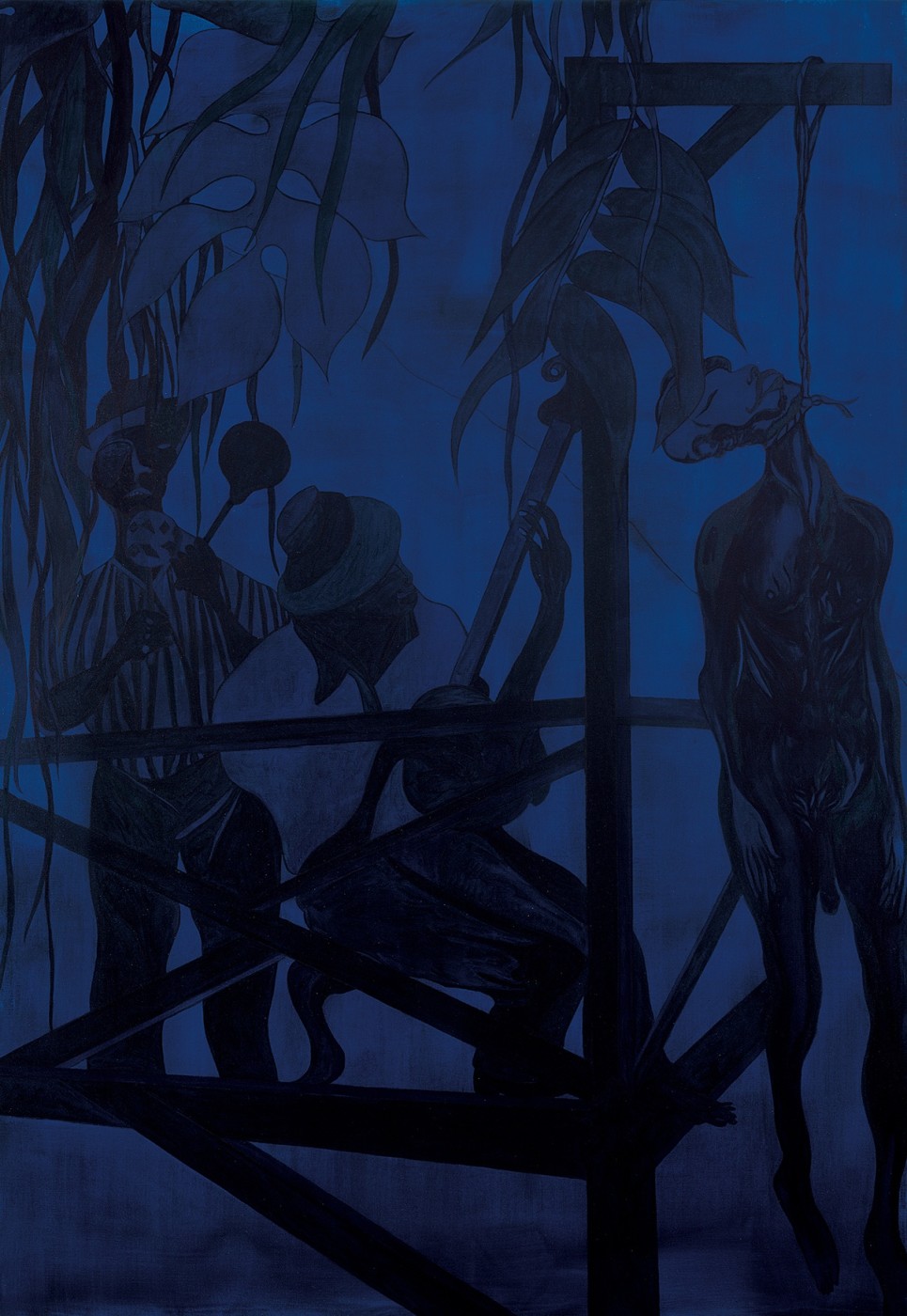
Chris Ofili is an English painter of Nigerian heritage. He’s responsible for works such as Iscariot Blues (2006), Afronirvana (2002) and, of course, The Holy Virgin Mary (1996). He grew up in the church and regularly attended services as an altar boy.
His career took off in the mid 1990s after completing his studies at the Chelsea School of Art, the Royal College of Art and the Berlin University of Arts.
His art is similar to the works of Jean-Michel Basquiat, George Condo and Blaxploitation artists like Mickalene Thomas. He’s earned many titles and achievements, including the Turner Prize in 1998 and the Commander of the Order of the British Empire in 2017.
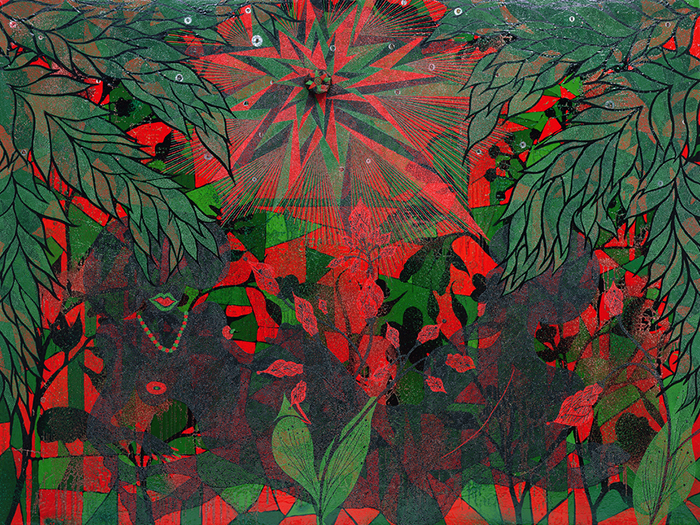
He moved to Trinidad in 2005, where he continues to paint and craft. To explore more of Ofili’s work, view the mini-collection below or visit his profile at MoMA.
Works cited
Cameron, Ben. “The Mayor and the Madonna.” American Theatre (New York), vol. 16, no. 9, 1999, p. 4.
Hynes, N. J. “From Riot to Austerity: Chris Ofili’s Retrospective at the Tate Britain.” NKA (Brooklyn, N.Y.), vol. 2010, no. 27, 2010, pp. 42–47, https://doi.org/10.1215/10757163-2010-27-42.
Plagens, Peter. “Holy Elephant Dung.” Newsweek (New York), vol. 134, no. 14, 1999, p. 71.
